
Cozy Comfort: 4 Homeowner Tips to Keep Your Old House Warm This Winter
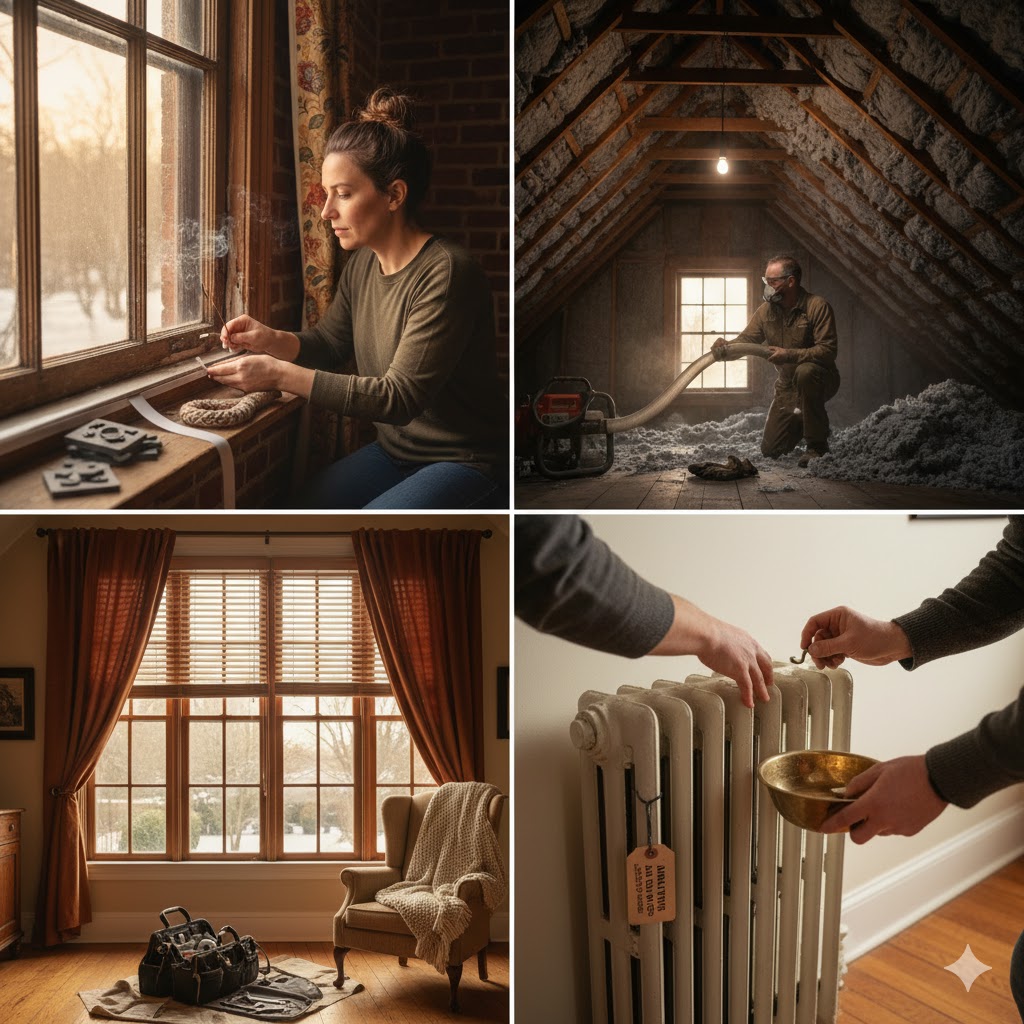 There's an undeniable charm to an old house. The creaking floors, the unique architectural details, the sense of history within its walls – it's a character you just can't find in newer builds. But let's be honest, that character can sometimes come with a chilly downside. Old houses, bless their hearts, weren't always built with modern insulation standards in mind. This often means higher heating bills and drafty rooms that make you want to live in a perpetual state of blanket cocooning.
Fear not, fellow old-house dwellers! You don't have to choose between historical charm and cozy comfort. With a few strategic tips and a bit of elbow grease, you can significantly improve your home's warmth and efficiency without sacrificing its unique appeal. Here are four homeowner tips to help keep your old house warm this winter:
1. Embrace the Power of the Seal: Tackle Those Drafts!
This is perhaps the most impactful and often overlooked step. Old houses are notorious for drafts, which can account for a significant amount of heat loss. Think of your home as a giant sieve – every little crack and gap is letting precious warm air escape and cold air creep in.
-
Windows and Doors: Inspect all your windows and doors. Are there gaps around the frames? Is the weatherstripping old, cracked, or missing? For windows, consider applying temporary window insulation film, which acts like a second pane of glass. For doors, replace worn weatherstripping and add a draft stopper (also known as a door snake) at the bottom.
-
Electrical Outlets and Switch Plates: Believe it or not, cold air can seep through these seemingly innocuous spots. Pick up some inexpensive foam gaskets designed for outlets and switches at your local hardware store.
-
Attic Hatches and Chimneys: Ensure your attic hatch is well-sealed and insulated. If you have unused fireplaces, consider investing in a chimney balloon or cap to prevent drafts.
A simple draft detection test involves lighting an incense stick and holding it near potential problem areas on a breezy day. If the smoke wavers, you've found a draft!
2. Insulate Where You Can: Prioritize the Low-Hanging Fruit
While a full insulation overhaul can be a significant undertaking (and expense), there are key areas where adding insulation can make a world of difference with minimal fuss.
-
Attic Insulation: This is your number one priority. Heat rises, so a poorly insulated attic is like leaving a giant hole in the top of your house. Adding blown-in cellulose or fiberglass batts to bring your attic up to modern R-values will provide an immediate and noticeable improvement in warmth and energy efficiency.
-
Basement/Crawl Space Rim Joists: These are the areas where the foundation meets the house framing. Sealing and insulating these can prevent a significant amount of cold air from entering your floorboards.
-
Hot Water Pipes: While not directly about heating your house, insulating your hot water pipes means your water heater doesn't have to work as hard, which can indirectly contribute to overall energy savings and comfort.
3. Leverage the Sun and Your Window Treatments
Sometimes the simplest solutions are the most effective. Your windows can be both a source of heat loss and heat gain.
-
Daytime Sun: On sunny winter days, open your curtains and blinds to allow natural sunlight to stream in and passively warm your home. This is especially effective for south-facing windows.
-
Nighttime Defense: As soon as the sun goes down, close those curtains and blinds, especially if they are thick or thermal-backed. They act as an extra layer of insulation, preventing heat from escaping through the glass. Layering different types of window treatments (e.g., blinds and heavy drapes) can provide even more insulating power.
-
Consider Storm Windows: If replacing your historic windows isn't an option, adding interior or exterior storm windows can dramatically improve their insulating properties without altering the original aesthetic.
4. Maintain Your Heating System and Understand Its Quirks
Your heating system is the heart of your warm home. Regular maintenance is crucial, especially in an older house where systems might be, well, older.
-
Annual Tune-Up: Schedule a professional inspection and tune-up every year. A well-maintained furnace or boiler runs more efficiently, saving you money and ensuring it's ready when you need it most.
-
Change Filters Regularly: A dirty air filter restricts airflow, making your furnace work harder and less efficiently. Check and change filters every 1-3 months, especially during peak heating season.
-
Understand Radiators (if applicable): If you have a hot water radiator system, ensure radiators aren't blocked by furniture or drapes, which can trap heat. Bleed them annually to release trapped air and ensure even heating.
Keeping an old house warm is a marathon, not a sprint. Start with these tips, and you'll be well on your way to enjoying the best of both worlds: the timeless beauty of your historic home and the comforting warmth of a truly cozy sanctuary. Happy heating!
Categories
Recent Posts











Erin Booker | Ellis Booker | Andrew Austria
Real Estate Team License ID: 475.192053